
Celebrating 25 Years of the RNLI with Ford Ranger
We're proud to supply the official vehicle of the RNLI lifeguards in their 25th year of saving lives at the beach. Our Ford Rangers are helping the lifeguards to keep more people safe around the coast this summer.
Test drive one of our vehicles at an RNLI Drive For Your Community event and Ford will donate £30 to the RNLI (up to £6,000 per event)
“We are delighted to continue and expand our role in supporting RNLI Lifeguards, and the outstanding work they do. Seeing new Ford Rangers being deployed across select UK beaches shows the all-round dependability of the vehicle to meet the requirements of the RNLI Lifeguard role.”
Alex Gallagher, Commercial Vehicle Director, Ford of Britain and Ireland
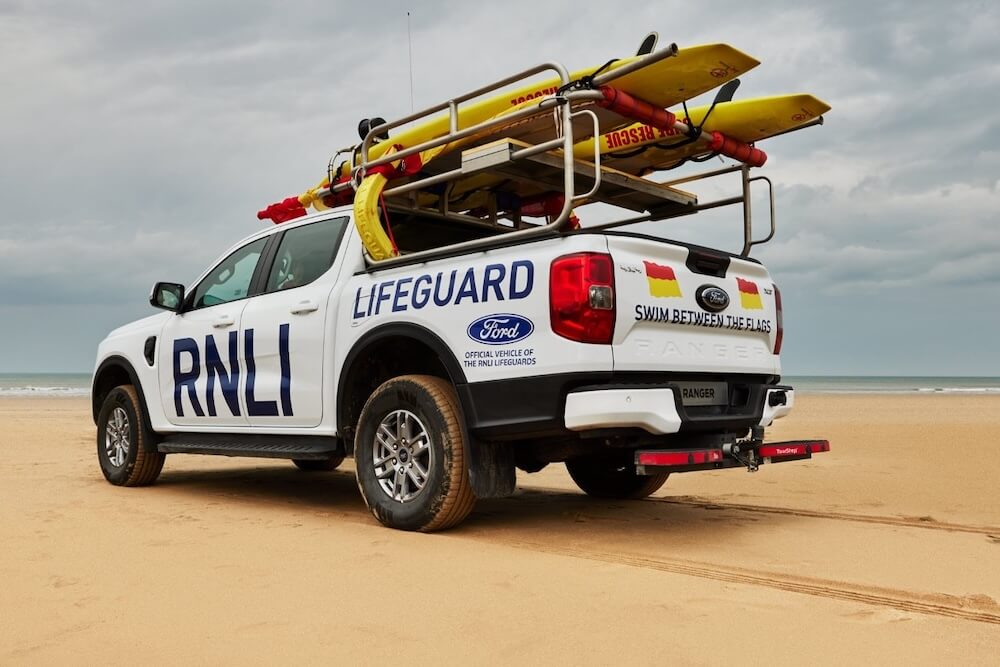
The Ford Ranger
The RNLI lifeguards often need to think at a split second’s notice. The deployment of the new award-winning Ford Ranger across UK beaches provides the RNLI with even greater capability, durability and reliability in challenging beach conditions. Experience the new Ford Ranger with 3,500kg max towing capability, 3,190kg max GVM and 1,200kg gross payload and take it for a test drive.
Beach safety advice from the RNLI
Now more than ever, it’s important to understand beach safety. The RNLI’s advice is simple and can make all the difference.
If you or your children fall into the sea unexpectedly, or you find yourself struggling in the water, remember the RNLI’s float to live advice - stay calm, float on your back, and catch your breath.
If you spot someone in trouble, call 999 and ask for the Coastguard.
You’ll find the RNLI’s key beach safety rules below. Just like following road signs, paying attention to beach safety signs can help ensure everyone gets home safely.
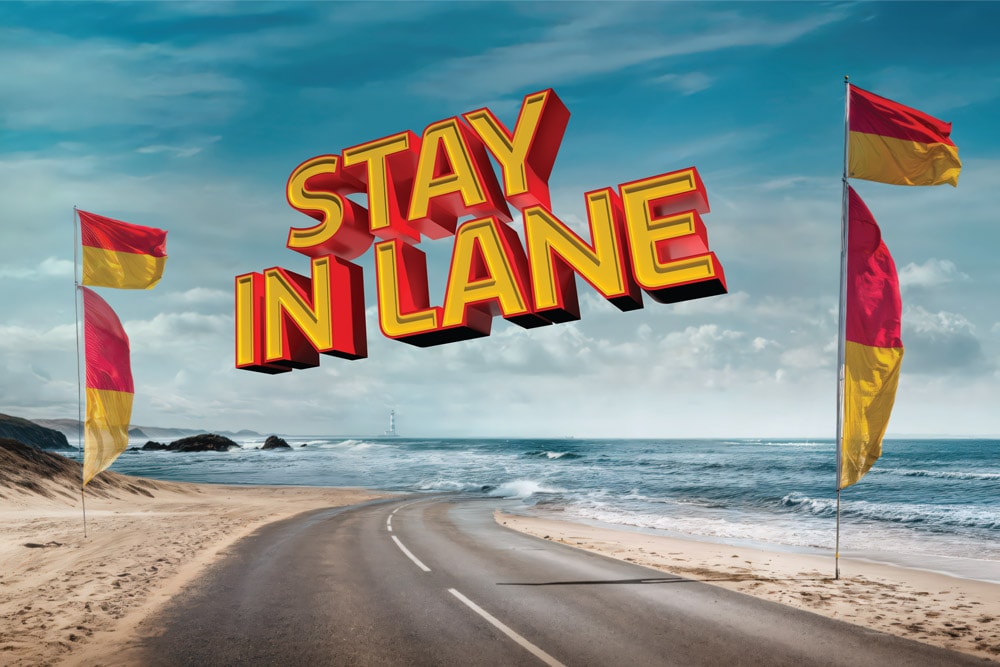
Red and Yellow Flags
These mark the safe zone to swim, just like 'Stay in Lane' signs keep us safe when driving.
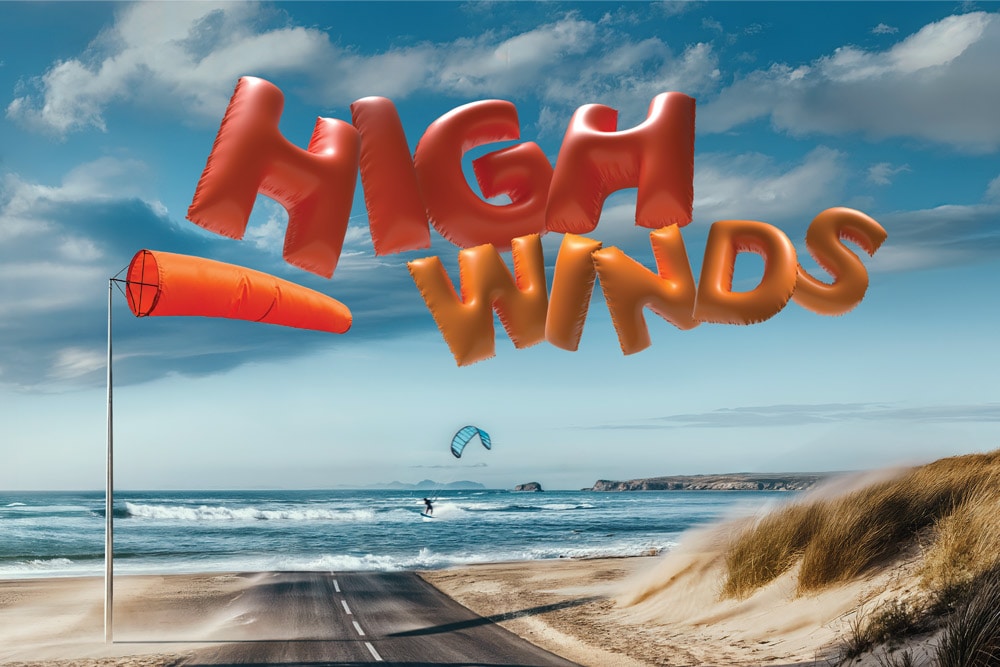
Orange Windsock
This is a high wind warning to note use inflatables in the water, just like 'Strong Winds' road signs tell you to be extra cautious of cross winds on the road.
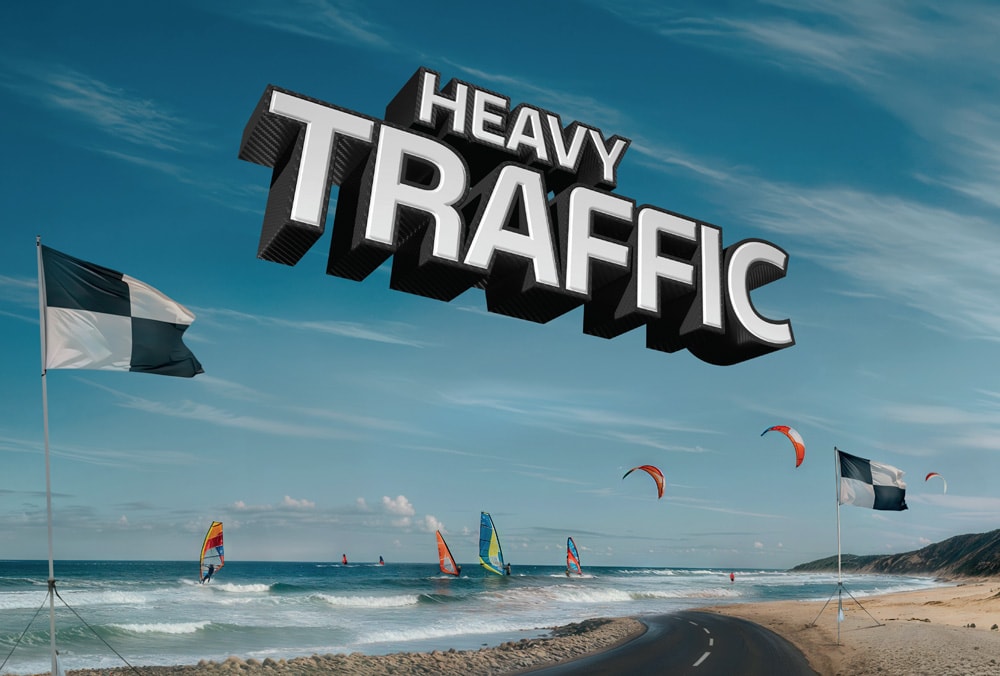
Black and White Flags
These indicate the area is designated for water sports like surfing, paddleboarding, and kayaking, so swimming is not allowed between these flags.
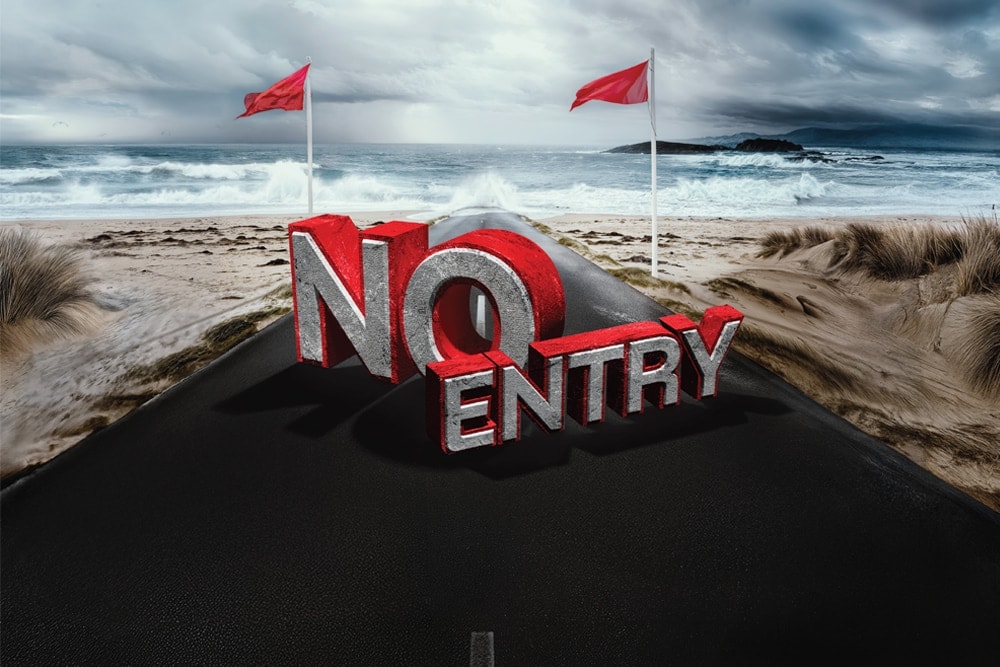
Red Flags
These mark dangerous swimming zones, just like 'No Entry' road signs tell you that driving is prohibited.
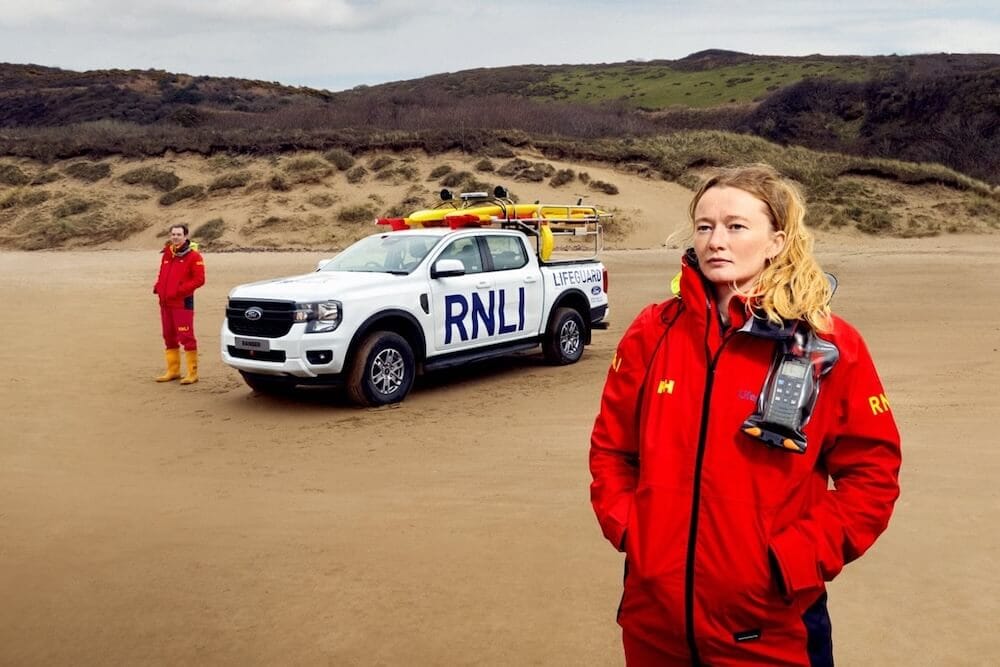
RNLI mission: saving lives at sea
RNLI lifeguards have been protecting beaches since 2001, and they now patrol 249 across the UK and Channel Islands. But there are so many more coastal areas across the UK which aren’t patrolled, that’s why it’s recommended by the RNLI to visit beaches with the RNLI lifeguards present.
From Easter, and throughout summer, they patrol beaches, provide first aid and help those who get in trouble in the water. But their primary focus is on prevention by helping stop accidents before they happen. Since the RNLI started their lifeguard patrols in 2001, they have saved 2,085 lives, responded to over 313,000 incidents and helped 423,044 people.
So, next time you visit the beach, stay safe, swim between the flags and follow lifeguard advice.
“The beach can be a tough operating environment, we expect a lot from our lifeguards and so we expect a lot from the equipment we provide them. The vehicles have to operate over difficult terrain, launch and recover our rescue watercraft and allow the lifeguards to operate remotely from other facilities. Our trials test that the vehicles will be safe and reliable to support the demands of the service.”
Peter Dawes, General Manager, Lifeguard Operations
Support the RNLI
The RNLI crews and lifeguards have saved over 142,700 lives since 1824.
If you'd like to support them in their crucial lifesaving work, you can click below to make a donation.