Self-charging hybrid vehicles
Self-charging hybrids – also known as full hybrids (FHEVs) – combine petrol and electric power, without the need to plug in. Experience electric driving at lower speeds, with the battery recharged through regenerative braking.
Why choose a self-charging hybrid?
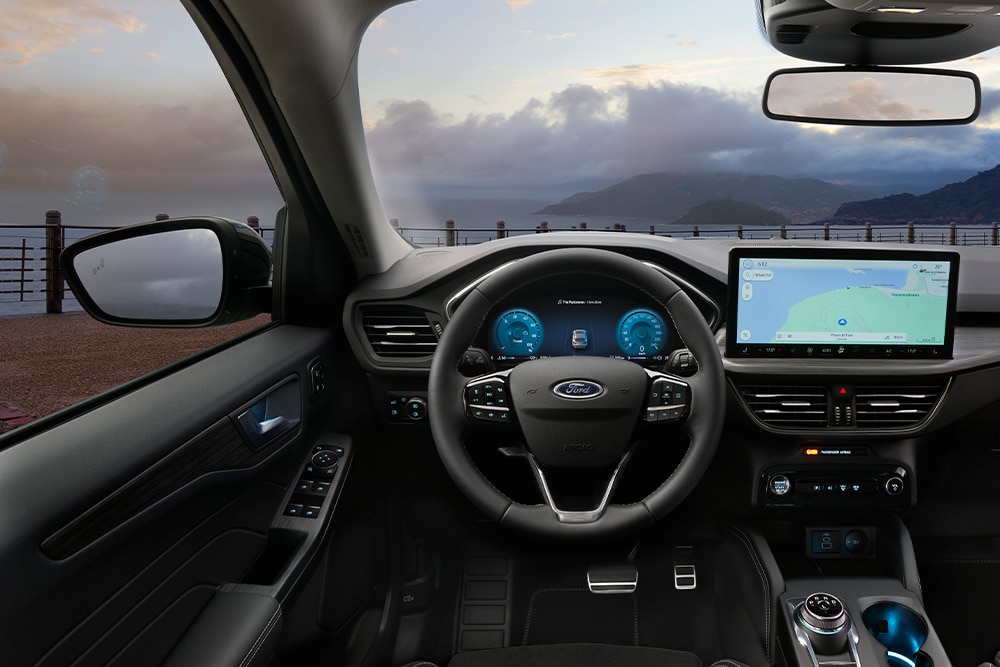
Improved economy
Improve fuel economy by making the most of electric-only driving on short journeys and at low speeds.[disclosure: Hybrid and electric benefits1]
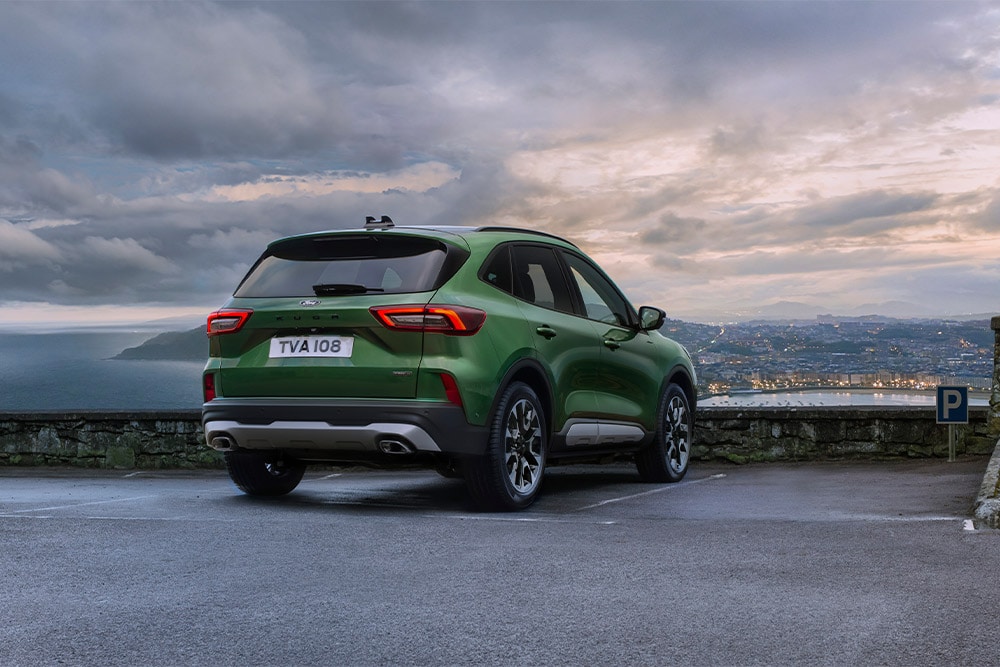
No need to charge
Regenerative braking captures energy usually lost when braking to charge the battery, so there’s no need to plug in.
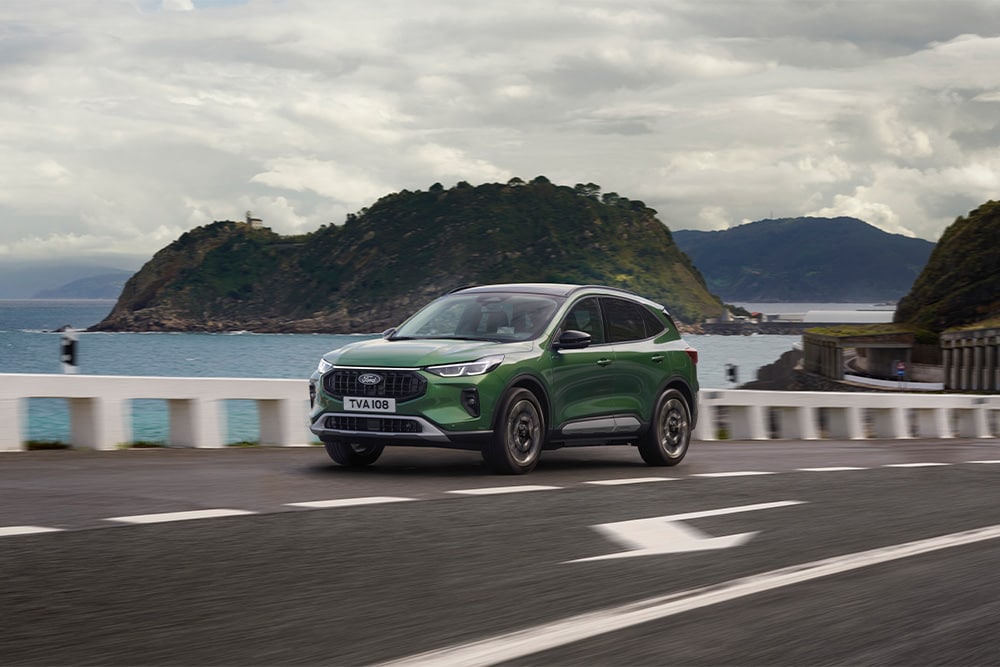
Lower running costs
Electric-only driving while at lower speeds an on short daily journeys can help to reduce running costs.
How do self-charging hybrids work?
Power
Self-charging hybrid cars seamlessly switch between engine only, electric, or combined engine and electric power, depending on the driving conditions.
Electric only
At low speeds or in traffic, the battery can deliver electric-only driving for short distances. During normal driving, it helps supplement the engine to save fuel.
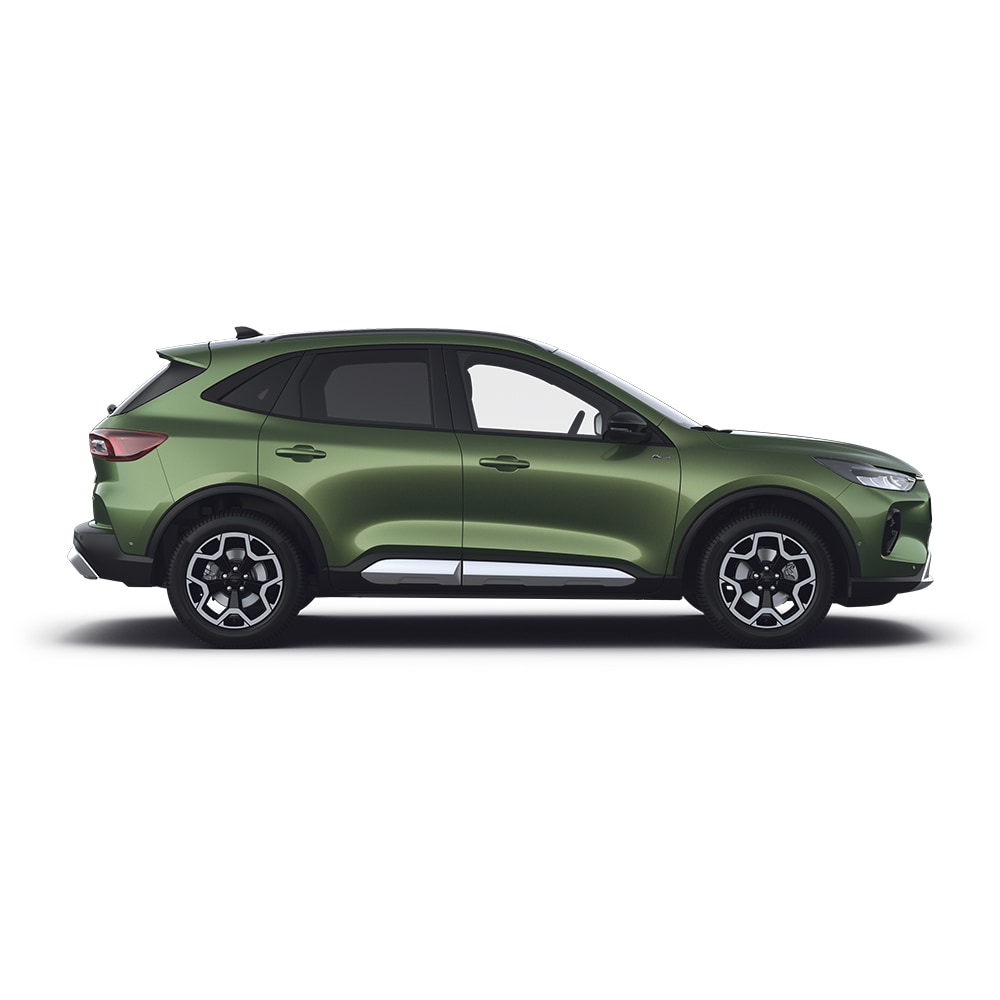
Our self-charging hybrid
Your self-charging hybrid questions, answered
How much range does a self-charging hybrid vehicle have?
Self-charging hybrid vehicles have less all-electric range than plug-in hybrids, but are still capable of driving short distances on electric-only power at lower speeds. This makes them ideal for shorter trips about town.
How does regenerative braking work?
All Ford self-charging hybrid vehicles use regenerative braking technology. The system captures energy that’s usually lost when braking and feeds it back to the battery, helping to maximise range.
Can a self-charging hybrid car drive on electric power only?
At low speeds and in stop-start traffic, the battery can deliver electric-only driving for short distances and provides extra torque. During normal driving, it supplements the engine to help save fuel. Regenerative braking charges the battery to extend the electric driving range.
Next steps
Book a test drive
Never driven a hybrid? Book a test drive at a time and location that suits you.
View available stock
Explore our range of in-stock hybrid cars, brand new and ready to go.
Talk to a dealer
Have questions about going hybrid? Get tailored advice from a Ford specialist.